How to Create Groups, Contracts, Price Specifications
In this section
See also
Managing Groups and Basic Contracts
Groups of customers can be divided into two types:
-
Groups of customers defined by the services providing conditions (basic contracts with price specifications are created exactly for these groups). Services providing conditions can differ depending on: connection technologies (like ADSL or Ethernet), customers being entitled to benefits, loyalty programs, etc.; for corporate clients — the location of a firm, for example, at a particular office building, or at a plant premises, because services providing conditions for such groups are often differentiated.
-
Groups used for the convenience of generating reports, issuing invoices, etc. (such groups do not require creating basic contracts). Customers are differentiated: into categories — as individuals, corporate clients, and staff; by region — for the convenience of issuing invoices for corporate clients and their delivery (there is no need for the delivery staff to sort out the invoices by regions).
It is obligatory for a customer to be placed into at least one group. A customer may also belong to several groups at the same time.
If a group has only one basic contract, the system chooses it automatically when creating a service contract. It can simplify your work with customers.
If a customer belongs to several groups with their basic contracts, you should choose a primary group for him or her, then the basic contract will be automatically chosen along with it. It is possible, for example, when a customer is provided with such services as phone and Internet access simultaneously, while the services belong to different basic contracts created for different groups.
See below an example of managing the customer groups. Groups with basic contracts are coloured, while those without them are not and have white background. The Employees group acts as both kinds of groups: there is a basic contract created for all the provider staff, but it is also used to distinguish employees from clients in reports.
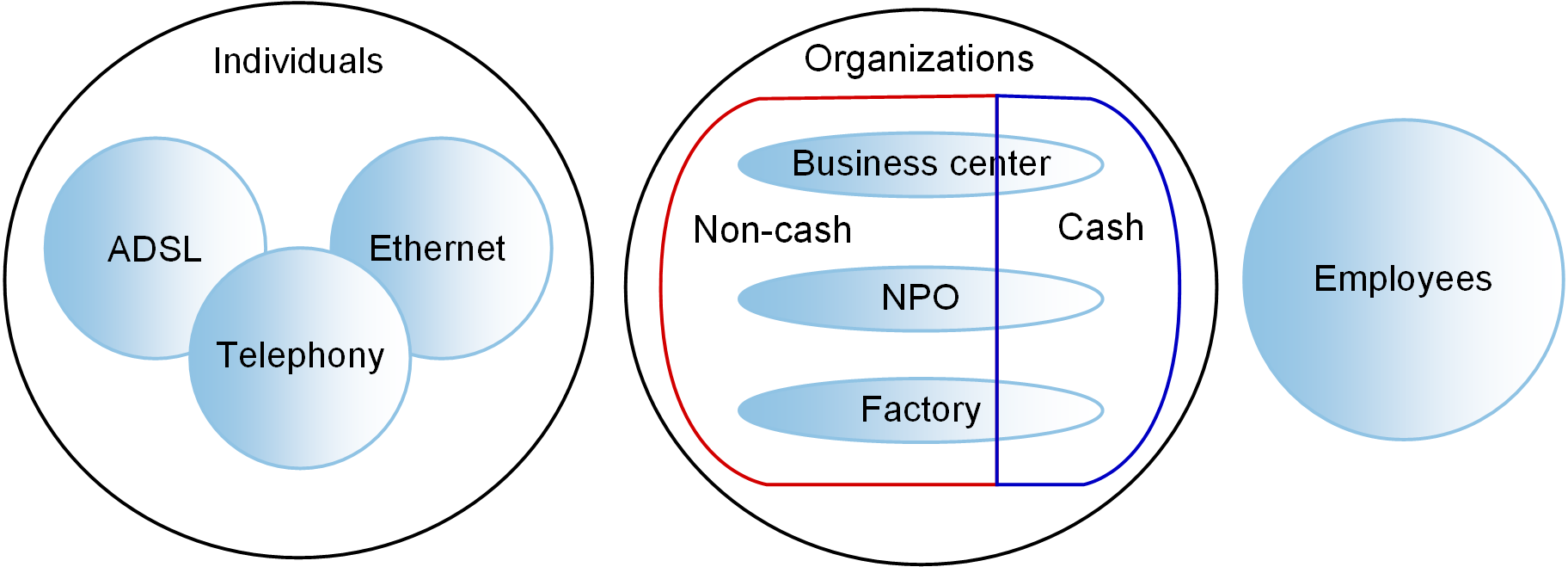
Scheme 20: Groups of customers
Basic subjects, such as individuals and organizations, can also be divided into groups. For example, to simplify building reports, organizations can be divided by their business activity types: banks, service providers, clients. It is not obligatory for basic subjects to be placed into a group, in contrast with customers.
Managing Contracts, Price Specifications, and Services
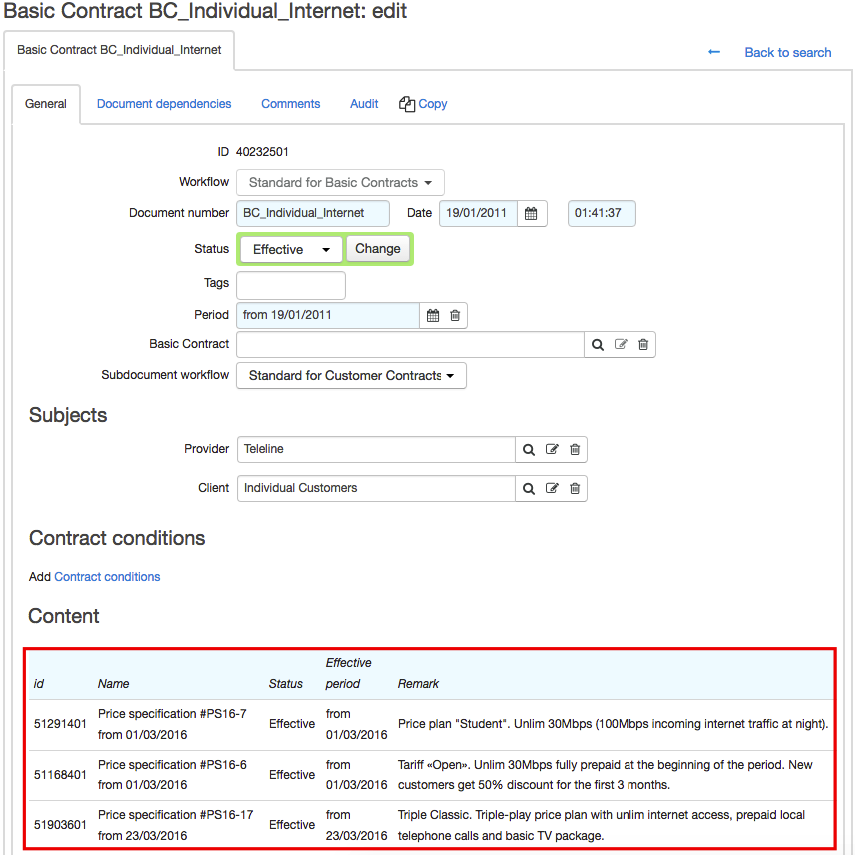
For each basic contract, you should create the necessary price specifications.
See below possible options to place price specifications inside the contracts. As you see, with each possible scheme, a customer can subscribe to services from all the four price specifications.
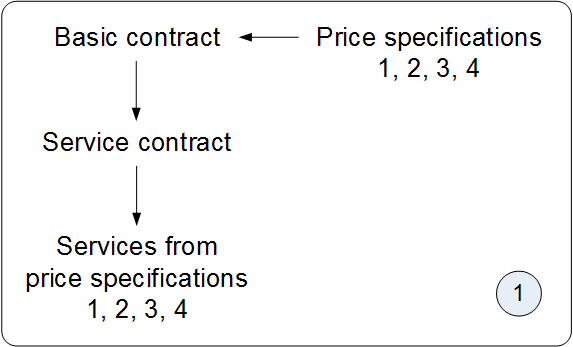
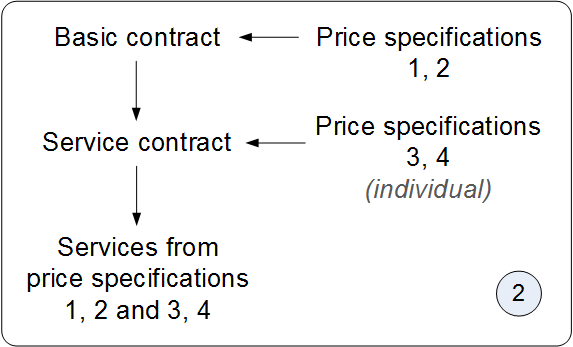
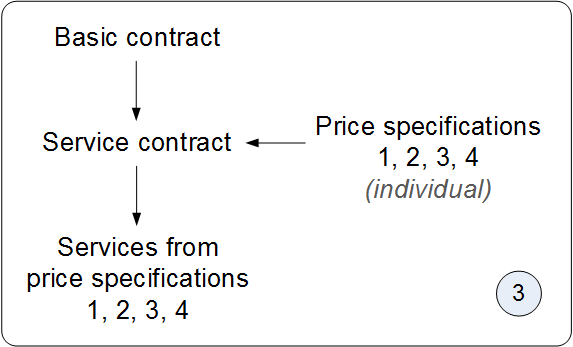
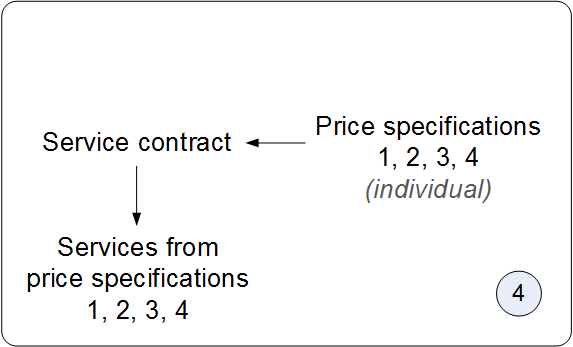
Scheme 21: Price specifications within basic contracts and service contracts
Typically, for groups of customers the 1st option is used, which has contracts created further to basic contracts, while all price specifications are made as annexes to basic contracts.
It is useful to create price specifications as annexes to service contracts (the 2nd, 3rd and 4th options) only in case a customer requires price plans or services with individual conditions. In such cases, the 2nd option is more preferable as it allows creating price specifications for the basic contracts, with all accompanying services included (for example, a static IP address, cabling, etc.). Such accompanying services can be multiple and difficult for differentiating by cost for different customers. Individual price specifications contain a shorter list of services which are actually provided to a customer on individual conditions.
Unlike the 2nd option, with the 3rd and the 4th ones you should duplicate all services, available to a customer, in each individual price specification. It means that in case of a services price change, you will have to manually create new price specifications for each customer, which can be very time-consuming and may lead to errors.
We recommend using only the 1st or the 2nd option. Using a basic contract together with price specifications can simplify generating reports (as customers can be found by this contract) and managing of services with equal costs for a whole category of customers (it takes only one price specification based on the basic contract to create and to edit). It is not recommended to use the 3rd and especially the 4th options.
Keep in mind that each separate pair (a basic contract and a service contract), along with a separate contract (not based on the basic contract) have to contain price specifications, which include all services that can be provided to a customer.
If an individual price specification contains the same services as the price specification of the basic contract, such services are provided according to the individual price specifications, not the basic one (in terms of prices, quotas, and payment deferments).
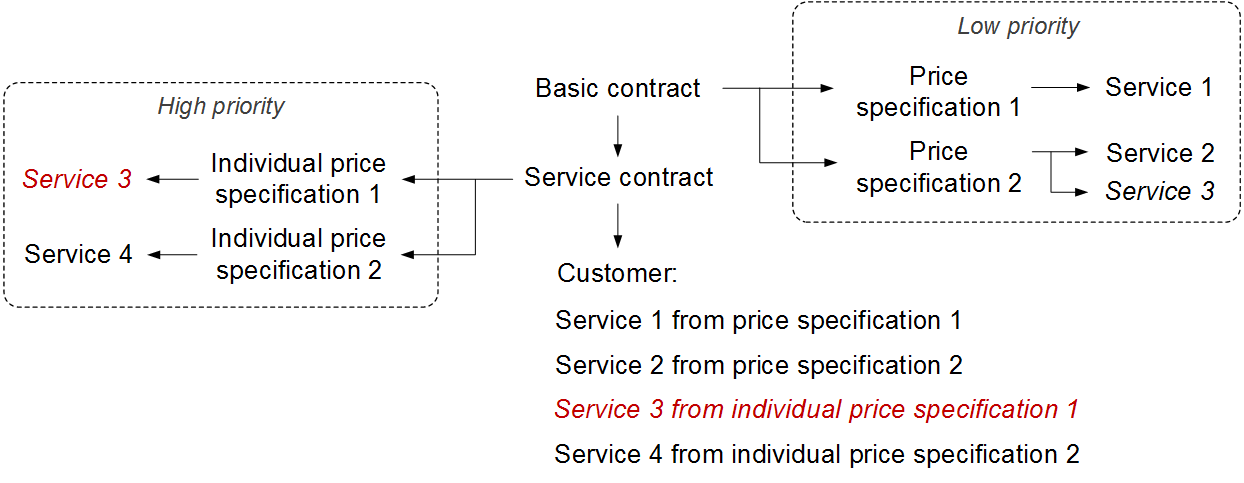
Scheme 22: Priority of services in price specifications
All necessary services are to be included into a price specification before charge logs are issued. After charge logs are issued, price specifications are locked for editing.
Providing Services to Corporate Clients
Every provider has their own way to provide services to corporate clients. Such ways can be divided into 3 types, so there are tips on creating contracts for each type.
-
Using standard price plans, when all corporate clients are divided into groups, each group with its own service providing conditions. In this case you create a basic contract with price specifications, for each group of customers.
-
Using individual price plans, when each corporate client has its own service providing conditions. For such clients, you create one group and one general basic contract. On its basis, you create individual service contracts with individual price specifications.
-
Mixed, when standard and individual price plans are combined. You create multiple groups with different types of providing conditions, and one more — for customers with individual conditions.